Pace, Pauses & Rhythm
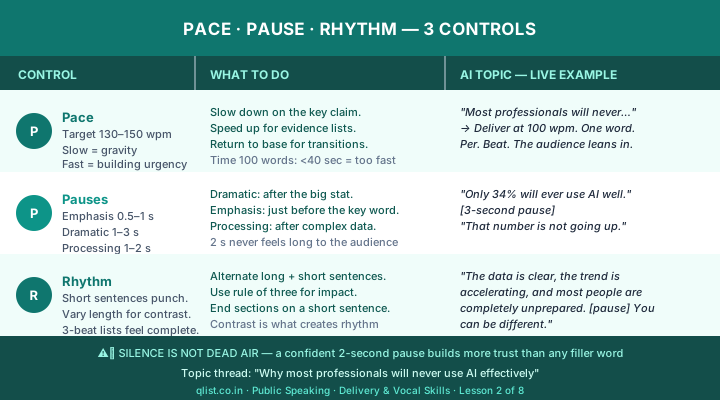
Most nervous speakers rush at 180+ words per minute — double the ideal rate. Slowing down feels unnatural to you and perfectly natural to your audience. The diagram maps all three timing controls.
The 3 Timing Controls
Pace, pauses, and rhythm work together. Each is a separate lever — and each maps to a different audience effect. The diagram below shows the control, what to do with it, and a live example from the sample speech.
The Dramatic Pause in Practice
A 2-second pause after a big claim is never uncomfortable to the audience — only to the speaker. Here is the sample speech statistic delivered two ways.
Rhythm: Short Sentences Punch
Speech rhythm comes from alternating sentence length. A long sentence followed by a short one creates contrast — and contrast keeps the brain alert. End every major section on a short sentence.
- ✓Long sentence — Sets up context, builds the argument, gives background detail
- ✓Short sentence — Lands the point. Full stop.
- ✓Rule of three — Three-beat lists feel complete and are easy to remember — use them for key takeaways
- ✓Section endings — Always close a section with a short punchy sentence to signal the shift
Key Takeaways
- 1Target 130–150 wpm — if 100 words takes less than 40 seconds, slow down
- 2Use dramatic pauses (1–3 s) after big claims; let the statistic breathe
- 3A 2-second silence never feels as long to the audience as it does to you
- 4Alternate long and short sentences — contrast creates rhythm
- 5End every major section on a short sentence; never fill pauses with filler words
What's Next
Continue through the course in order, or jump back to review earlier lessons.