Volume & Projection
Projection is not shouting — it is directing your voice with intention. And dropping your volume at the right moment is more powerful than any amount of loudness.
The 3 Volume Controls
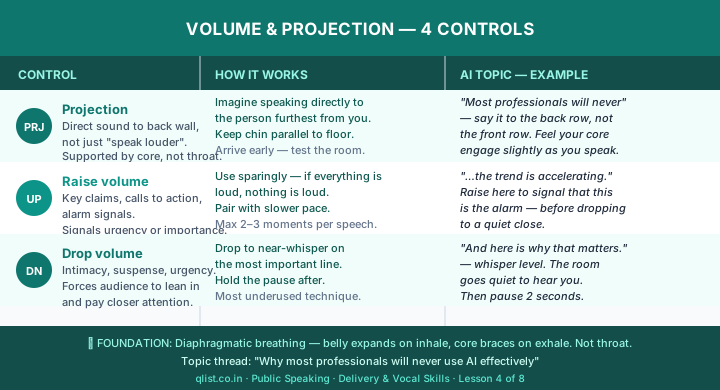
Volume has three levers: projection (directing sound to the back wall), raising volume for urgency, and dropping volume for intimacy or suspense. Most speakers only use the first two — the drop is the most underused and highest-impact technique.
The Diaphragm Foundation
Projection without diaphragmatic breathing tires your voice within 20 minutes. Most untrained speakers push volume from the throat — which is why they sound strained and lose their voice after long presentations.
- ✓Test yourself — One hand on chest, one on belly — only the belly hand should move outward when you breathe in
- ✓Braced exhale — When speaking, lightly engage your core as if bracing for a punch — this creates controlled, resonant airflow
- ✓Daily drill — Lie down, place a book on your stomach, breathe so the book rises on inhale and falls as you speak
The Whisper Technique
Dropping to near-silence forces the audience to lean in and focus. Here is the sample speech close delivered two ways — the second is the one that lands.
Key Takeaways
- 1Projection directs sound to the back wall — it is not the same as shouting
- 2Diaphragmatic breathing powers sustained volume; throat pushing strains and signals nerves
- 3Dropping volume is more powerful than raising it — the room goes quiet to hear you
- 4Reserve volume raises for 2–3 moments per speech — if everything is loud, nothing is loud
- 5Arrive early and test your projection level in the actual room before the audience arrives
What's Next
Continue through the course in order, or jump back to review earlier lessons.